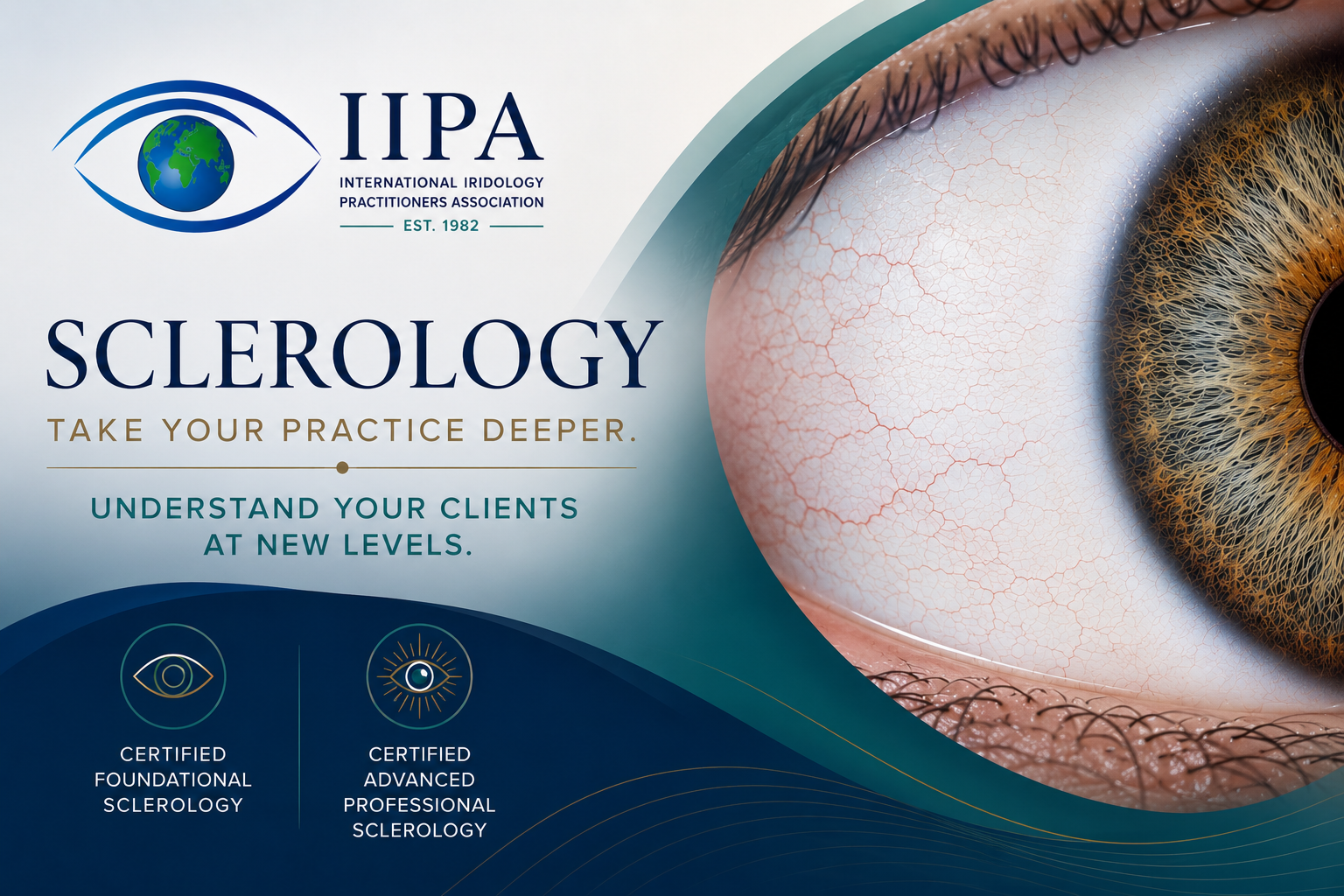
What is Iridology?
The clinical definition, according to science, is…
Iridology is the study and observation of the colors, patterns, structures, and other visible characteristics of the iris for the purpose of assessing constitutional tendencies and patterns of health within the body.
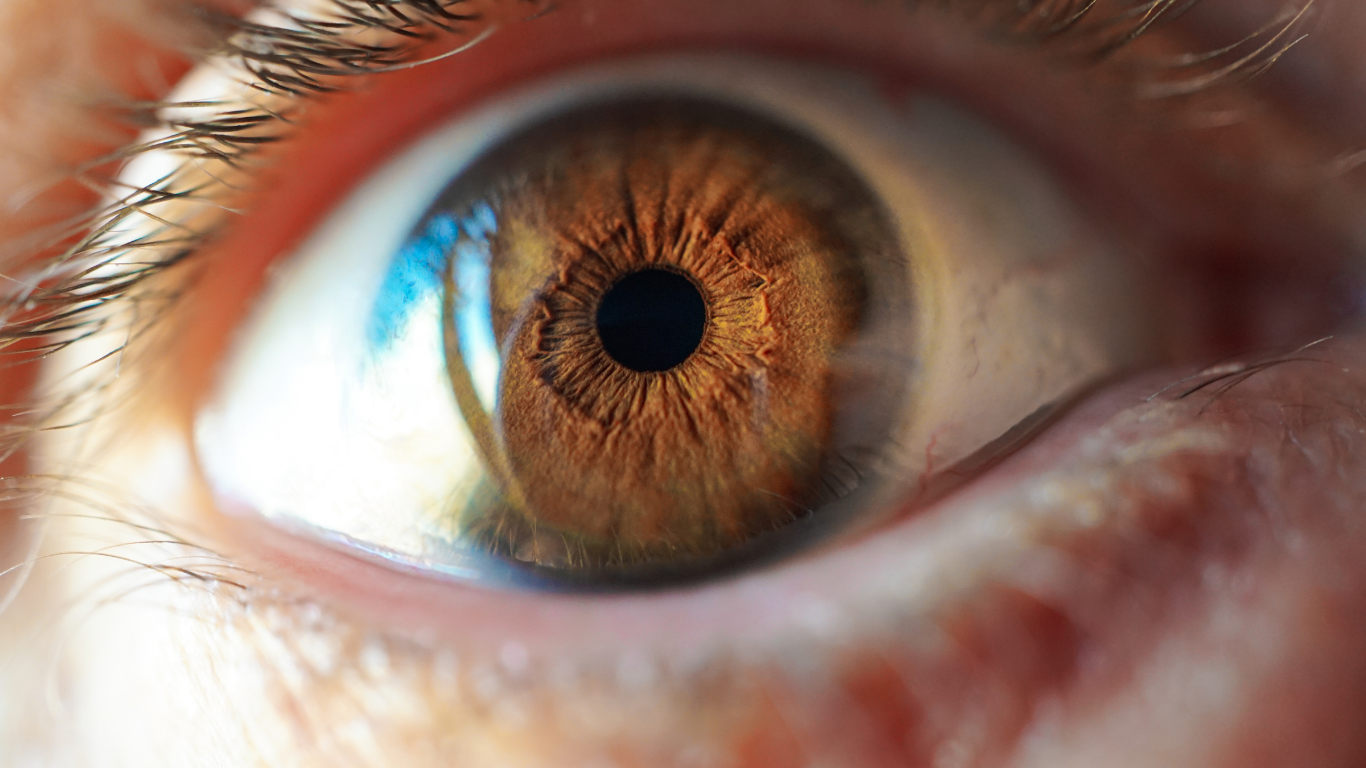
For the person who is new to or curious about iridology, it is a non-invasive wellness assessment. Nothing touches the eye, and the process is generally performed by observing or photographing the iris. An iridologist does not use the iris to medically diagnose disease. Instead, observations are interpreted according to the iridology model and may be used alongside conversations about nutrition, lifestyle, and overall wellness.
Think of the iris as being as individual as a fingerprint. No two irises are exactly alike, and an iridology practitioner studies those unique characteristics as part of understanding the whole person.

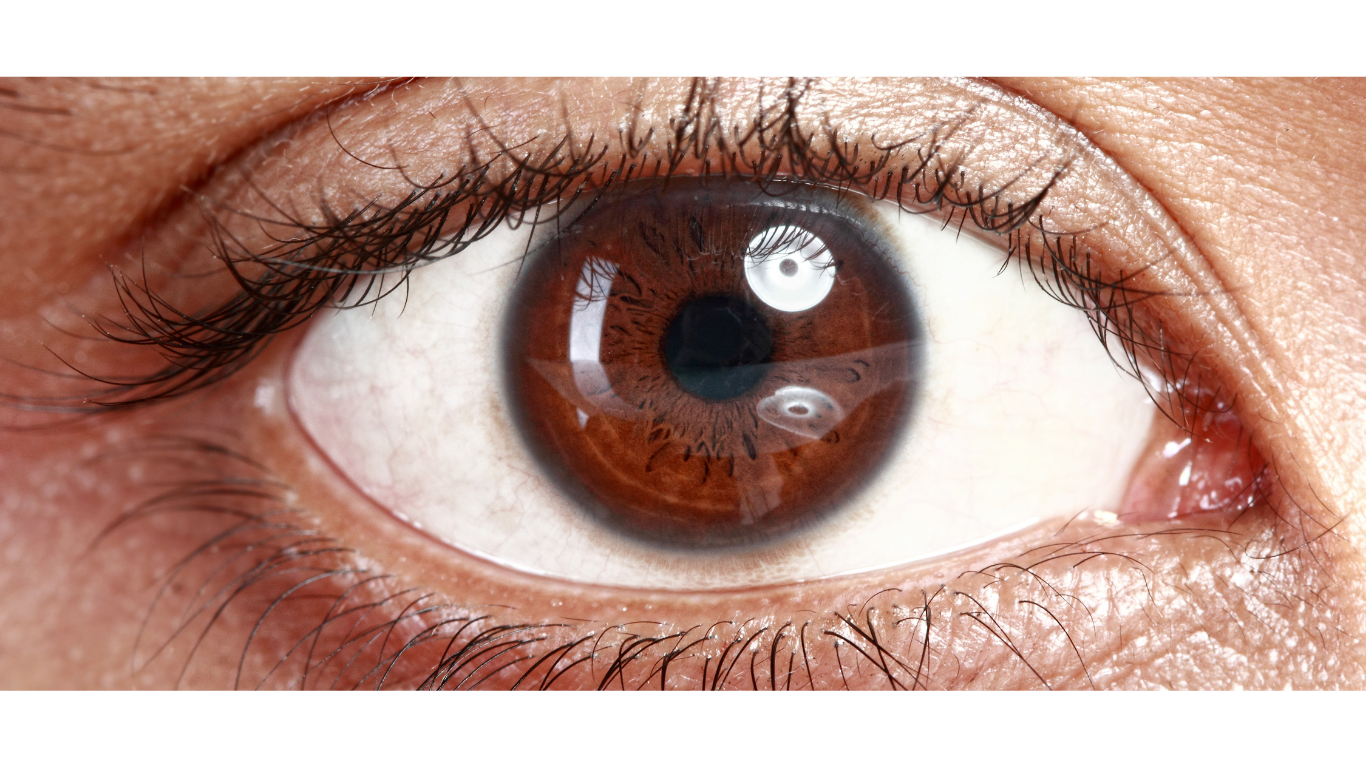
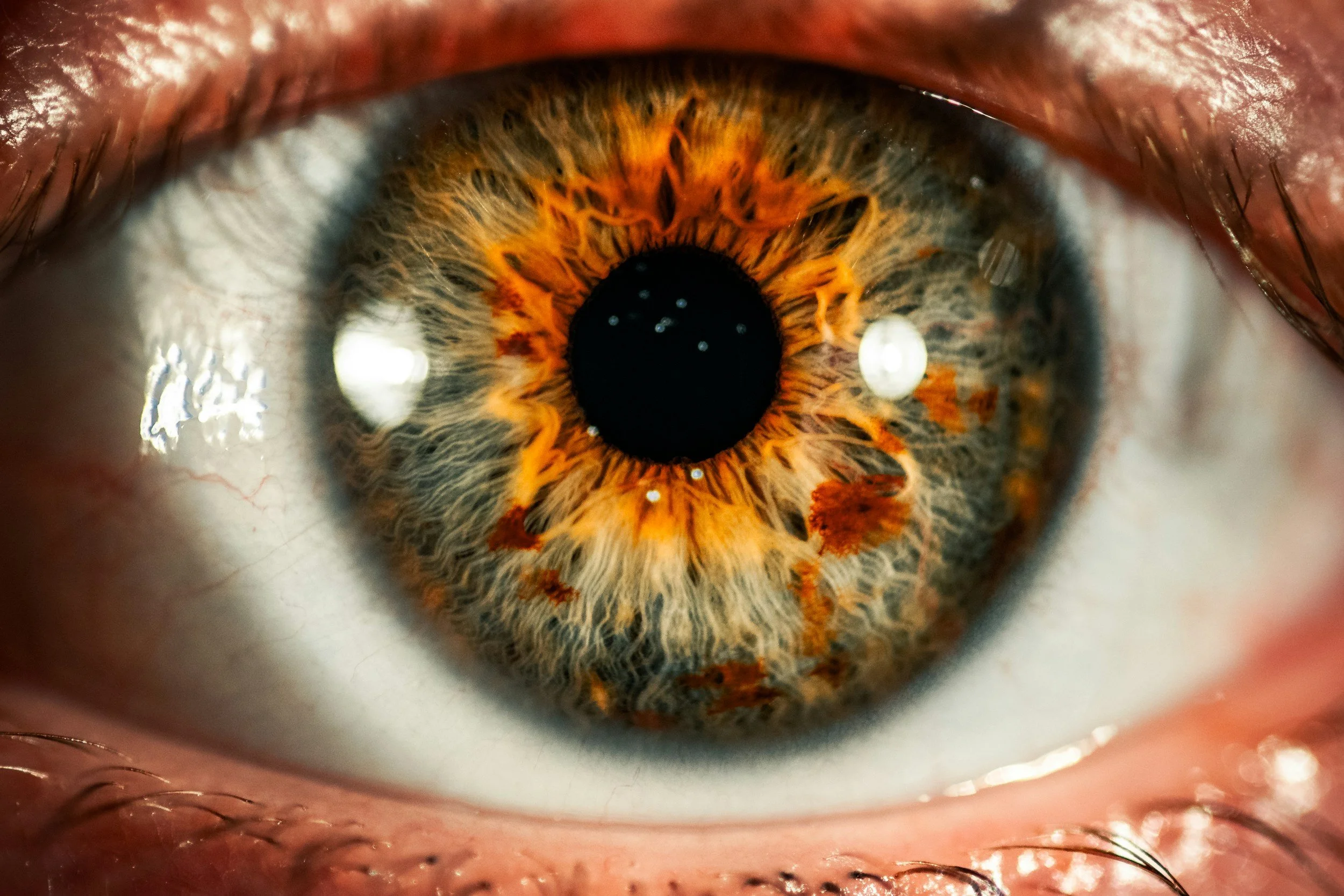
Simply put, Iridology is the art and scientific study of observing the iris to better understand an individual's constitution and wellness patterns.
What is Sclerology?
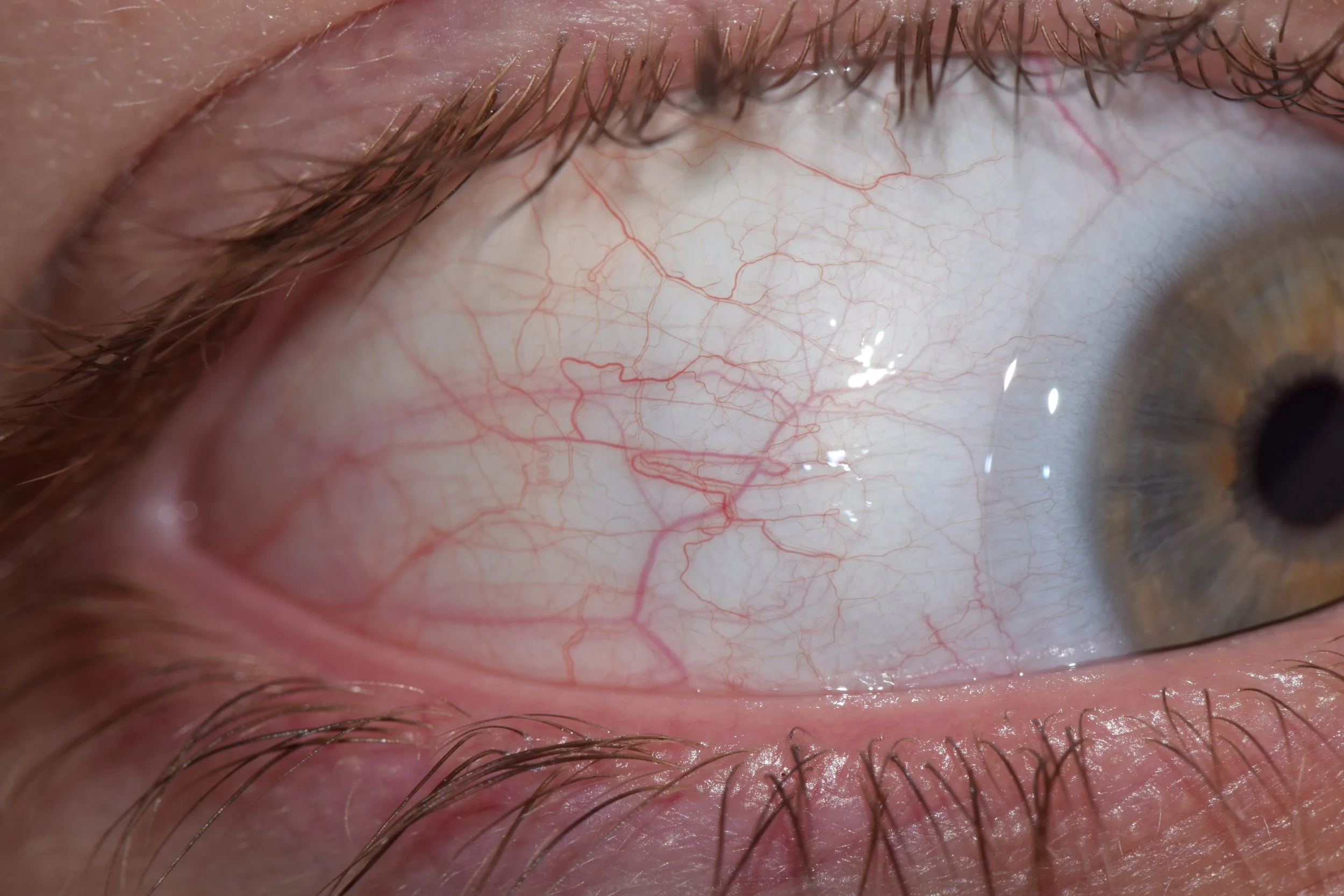
Sclerology is the study of the sclera - the white portion of the eye.
A sclerology practitioner observes the blood vessels, colors, patterns, and other visible markings within the sclera and interprets them according to the sclerology model to better understand patterns related to a person's overall health and wellness.
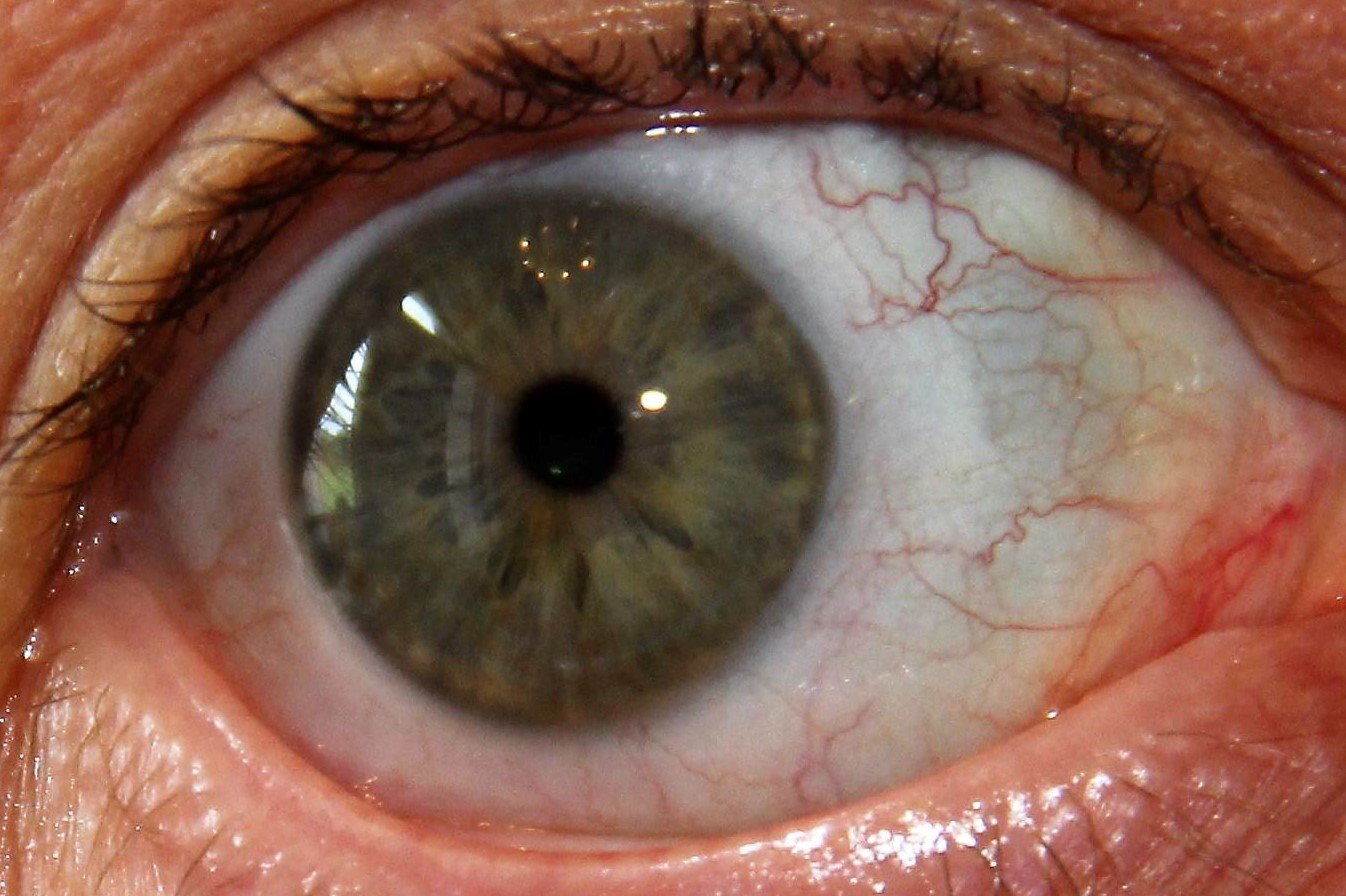
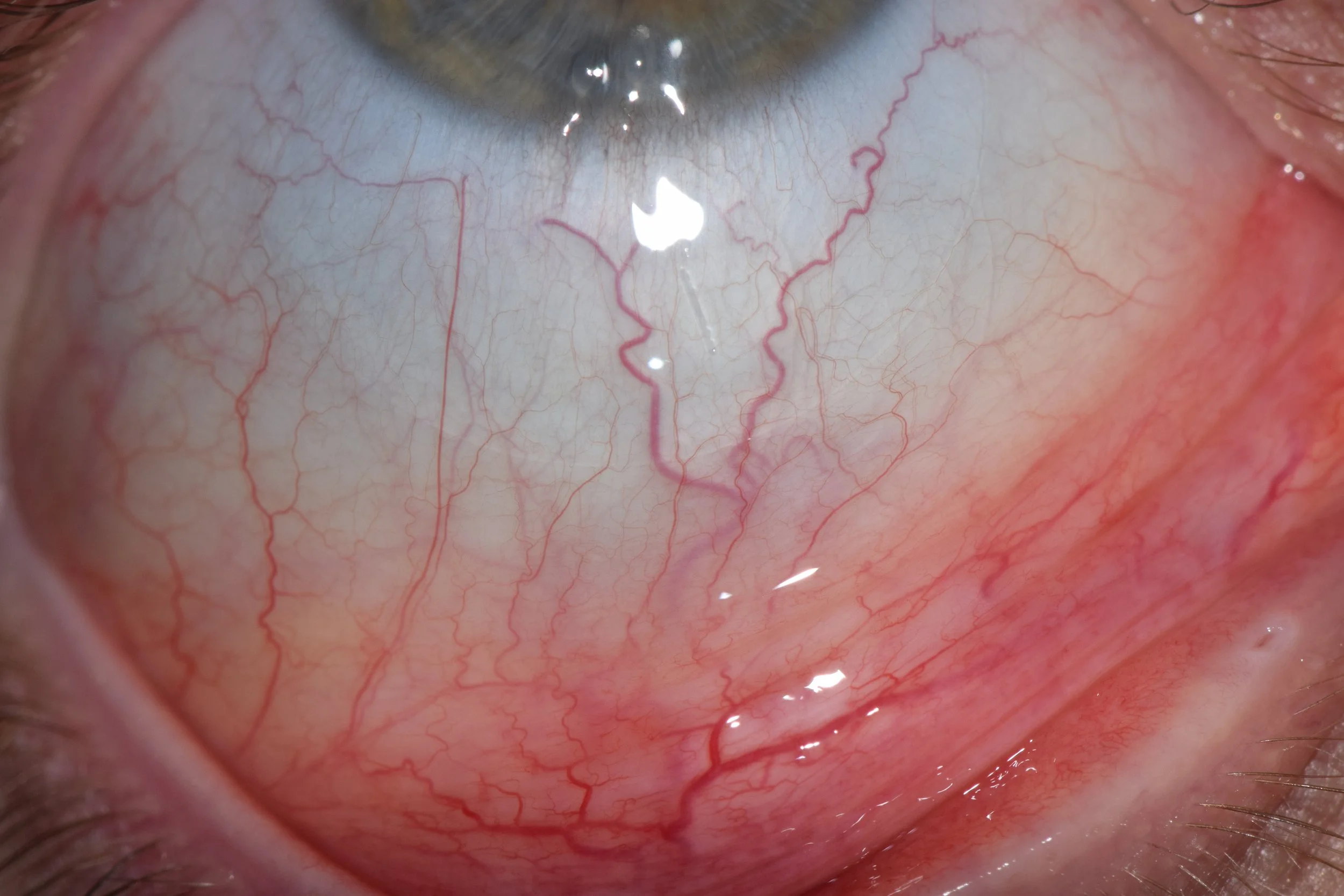
Just as the iris contains unique characteristics, the sclera can present a variety of vascular patterns and markings. In sclerology, practitioners study the location, direction, shape, color, and appearance of these markings and consider how they relate to different areas and systems of the body.
Sclerology is a non-invasive wellness assessment. Nothing touches the eye; the practitioner simply observes or photographs the sclera. Sclerology is not used to medically diagnose disease. Instead, its observations may be incorporated into a broader wellness assessment and conversations about nutrition, lifestyle, and appropriate health support.
Simply put: Sclerology is the art and scientific study of observing the sclera to better understand patterns within the body and identify areas that may benefit from additional wellness support.
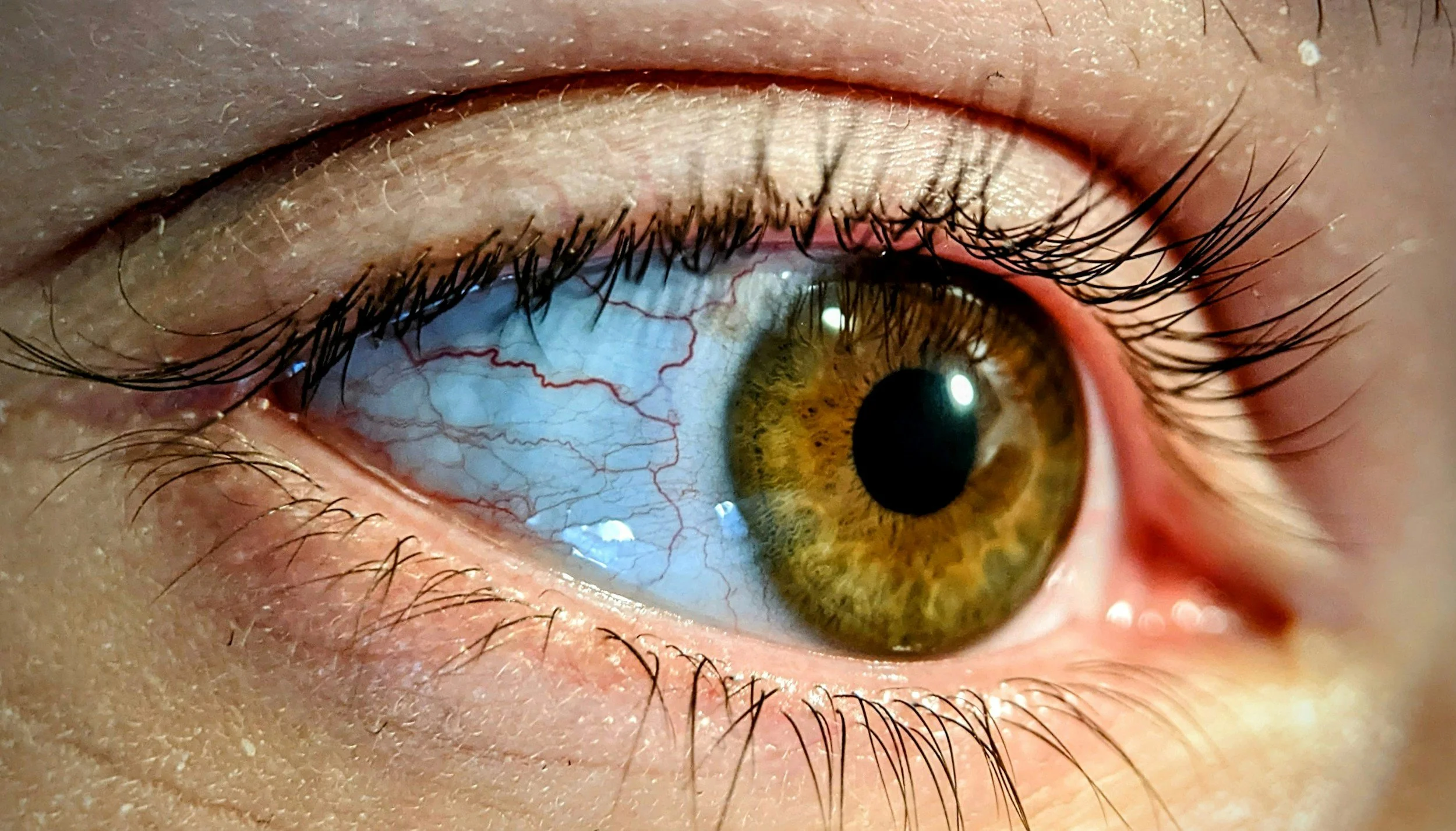
Iridology and sclerology allow us to look at different parts of the eye from different perspectives. When used together, they provide a more comprehensive picture of potential health within the iridology and sclerology wellness models.
“The iris gives us one part of the story. The sclera gives us another. Together, they help us see the bigger picture.”
Looking for an Iridology or Sclerology Practitioner?
Connect with an IIPA-certified Comprehensive Iridologist or Certified Sclerologist. Our practitioner directory can help you locate a qualified professional in your area or find someone who offers remote consultations.
Interested in Studying Iridology or Sclerology?
Turn your interest into professional education. Explore IIPA-recognized training opportunities in Comprehensive Iridology and Sclerology, and learn more about the path toward professional certification.